Beverages and juices ready for the U.S.
Juices, nectars, ready-to-drink and shelf-stable beverages follow the FDA food rules plus a few of their own. We identify which apply to your drink and help you meet them.
Prefer to talk? +52 33 1125 7553 WhatsApp
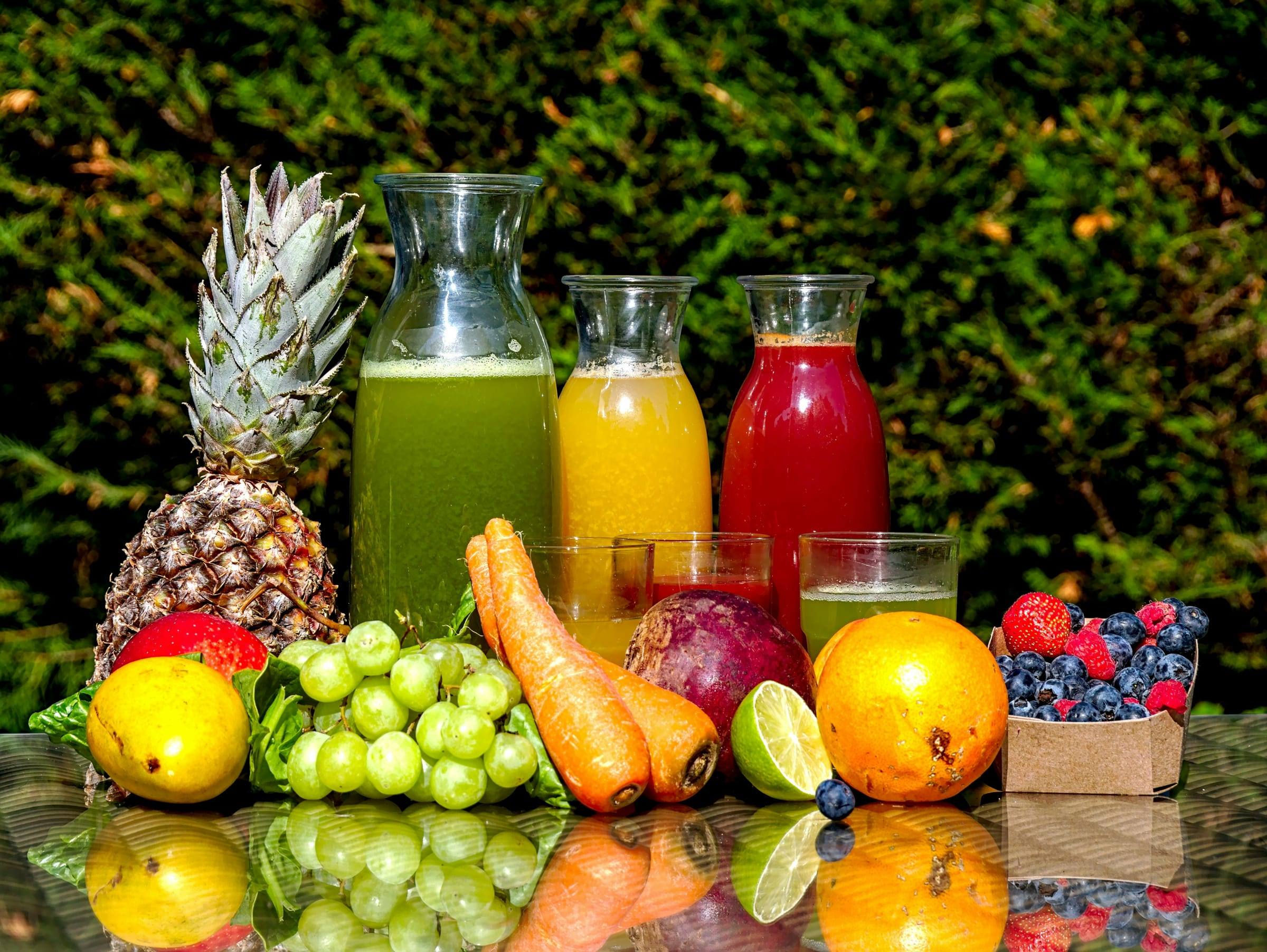
Beverage categories we support
Choose the closest category to start an assessment with it already selected.
-
Ready-to-drink beverages
Teas, flavored waters, soft drinks and coffee drinks.
Assess this product : Ready-to-drink beverages -
Concentrates & syrups
Concentrates, purées and syrups for beverages.
Assess this product : Concentrates & syrups -
Shelf-stable & aseptic
Aseptically packed or hot-filled beverages.
Assess this product : Shelf-stable & aseptic -
Canned & bottled beverages
Low-acid or acidified beverages in cans or glass.
Assess this product : Canned & bottled beverages -
Plant-based & functional drinks
Plant-based drinks and beverages with added ingredients.
Assess this product : Plant-based & functional drinks
Beverages are part of our food scope. Registration, Prior Notice and GMP work the same way as for other foods. See the food page.
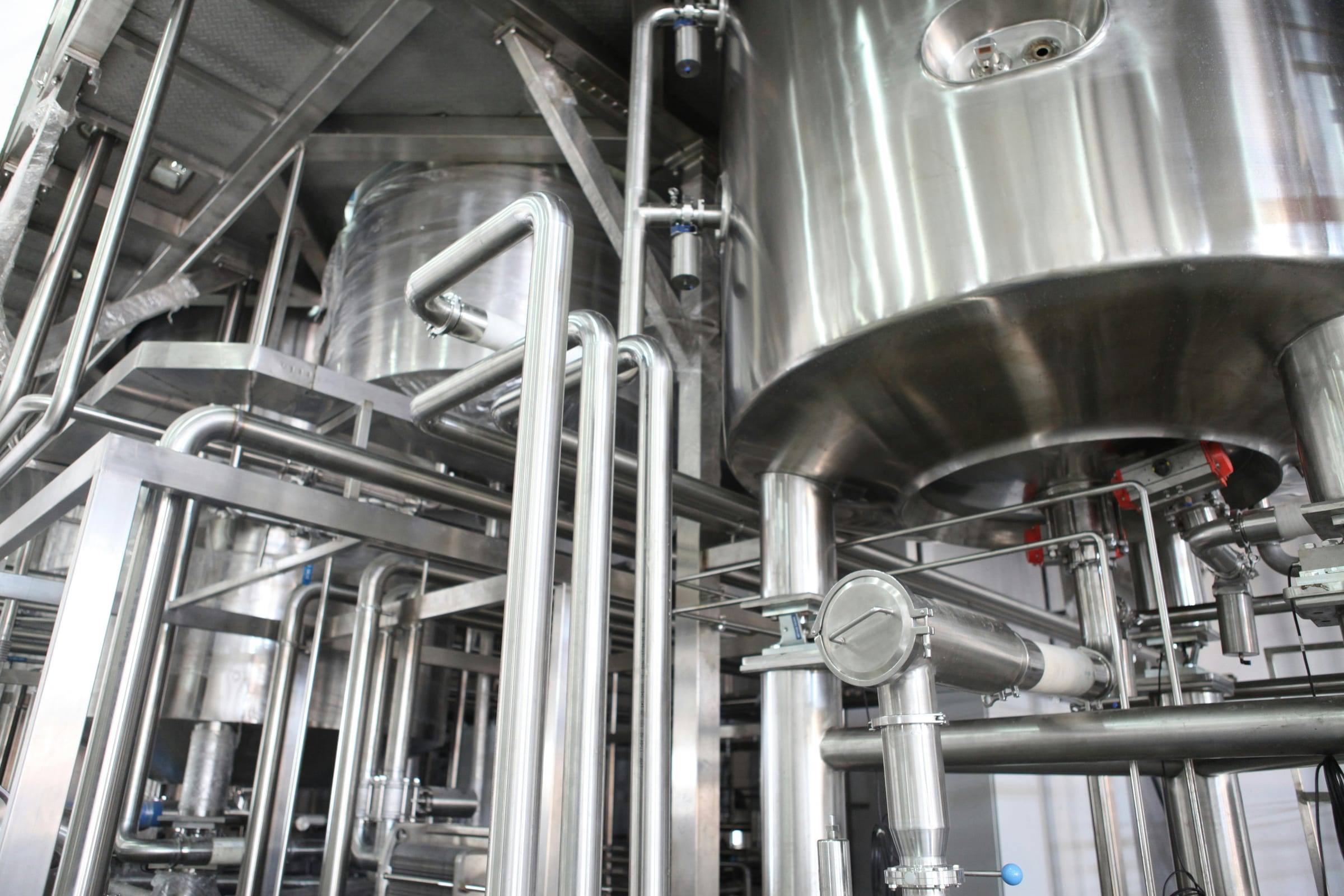
How we can help
A beverage is a food for FDA. These are the requirements we review first.
-
Facility registration and U.S. Agent
The facility that makes or packs the beverage must register, and foreign facilities need a U.S. Agent.
-
Juice HACCP
Juice processors need a HACCP plan under 21 CFR 120, including the required pathogen reduction.
-
Labeling
Nutrition Facts, ingredients, allergens and the percentage juice declaration.
-
Canned and acidified beverages
Support with FCE registration and process filing when the product is low-acid canned or acidified.
-
GMP and preventive controls
Readiness for 21 CFR 117 in the bottling or packing facility.
-
Prior Notice
Required for each imported shipment, like any other food.
A beverage with added vitamins or botanicals may be a conventional food or a dietary supplement depending on how it is labeled and represented. We assess the classification before the label.
Key FDA regulations for beverages
| Reference | Topic | Why it matters |
|---|---|---|
| 21 CFR 120 | Juice HACCP | Hazard analysis and the 5-log pathogen reduction for juice. |
| 21 CFR 101 | Food labeling | Nutrition Facts, ingredients, allergens and percentage juice declaration (101.30). |
| 21 CFR 117 | cGMP and preventive controls | How the bottling or packing facility must operate. |
| 21 CFR 108, 113, 114 | Low-acid canned and acidified foods | Applies to canned or acidified beverages. |
| 21 CFR 1, Subparts H & I | Registration and Prior Notice | Facility registration, U.S. Agent and shipment notices. |
Our process
-
Regulatory assessment
Product, formula, process and packaging.
-
Gap analysis
What is missing for the U.S., in order.
-
Compliance implementation
Registration, HACCP support, labels and documents.
-
U.S. market readiness
Prior Notice and importer requirements.
-
Ongoing support
Renewals, updates and questions within your scope.
Beverage export FAQs
Does my juice need a HACCP plan?
Yes. Juice processors must operate under a HACCP plan according to 21 CFR 120, which includes a process that achieves a 5-log reduction of the pertinent pathogen.
Is my functional drink a beverage or a supplement?
It depends on how it is labeled, marketed and consumed. FDA has guidance to distinguish liquid dietary supplements from beverages; we review it before you print labels.
Do beverages need Prior Notice?
Yes. Beverages are food for FDA, so each imported shipment needs Prior Notice.
Does FDA approve my beverage before export?
No. FDA does not approve conventional beverages before they are sold. The facility must be registered and the product must comply with the applicable rules.
Tell us about your beverage
Call or WhatsApp us with the type of drink and how it is packed. We will tell you which rules apply.
Ready to export your beverages?
Start with an assessment of your product and process.